
There are those who wake up every morning with light filtering through the windows, and those who open the shutters and always find the same dim light.
Dark rooms test the patience of those who love their home: they seem smaller, duller, sadder than they really are.
The temptation to repaint them white, change the light bulbs, or give up on colors is very strong—but often it's not enough.
Light is not just a question of watts, but of surfaces that reflect it, furniture that lets it pass through, and palettes that multiply it.
In this article, we'll look at how to brighten a dark room using the right colors, furniture proportions, and a few tricks to make it seem like there's more natural light, even where there isn't any.
1) Colors to brighten up a dark room
- Choose bright colors on the walls and larger furniture , and paint the ceiling a shade lighter than the walls. Lighter colors reflect light better.
-
Only light colors on the walls? If your goal is to make the room appear larger and brighter, the answer is yes. If, however, you want to focus on character, you can dare with medium and bright colors on one or more wall surfaces.
-
Smart alternatives to total white : beige , shell white , or soft pastels ( antique pink , vanilla ) can warm up without absorbing too much light, making the room more welcoming and personal, compared to the classic all-white.

2) Floors and carpets: don't underestimate them
Lightening the floor (or adding a large, light-colored rug) visually enlarges the room because the light-colored floor “pushes” the space upward.
3) Reflective finishes and surfaces
- A large mirror or several mirrors placed in front of light sources double the available light and also make the space appear much larger.
-
Metallic accents and shiny surfaces (lamps, trays, frames, glossy furniture) reflect light (artificial and natural) and add sparkle and a precious touch.
4) Artificial lighting: designing multiple levels
-
Layering light : A single central light fixture isn't enough (even in homes with plenty of natural light). Combine ceiling lights with floor lamps, table lamps, and picture spotlights. This strategy eliminates shadows and creates depth.
-
Strips of light , positioned to evenly illuminate the walls, "widen" the vertical space and create an elegant and scenic effect.
- Light temperature : for domestic spaces it is always better to opt for neutral-warm or warm lights, which make the environment welcoming and relaxing.

5) Curtains, openings and glass
-
Lightweight curtains, mounted high and wide . Install the ceiling track and run it along the sides of the window to create the illusion of wider openings and therefore letting in more light.
-
Replace solid doors with glass doors (when possible) to allow light to flow between rooms.
6) Color and pattern as visual “openings”
Use patterns and light colors as accents : Rugs, pillows, and colorful artwork can create points of interest that distract from the overall darkness.
7) How to choose furniture for dark rooms?
Color & Finish
-
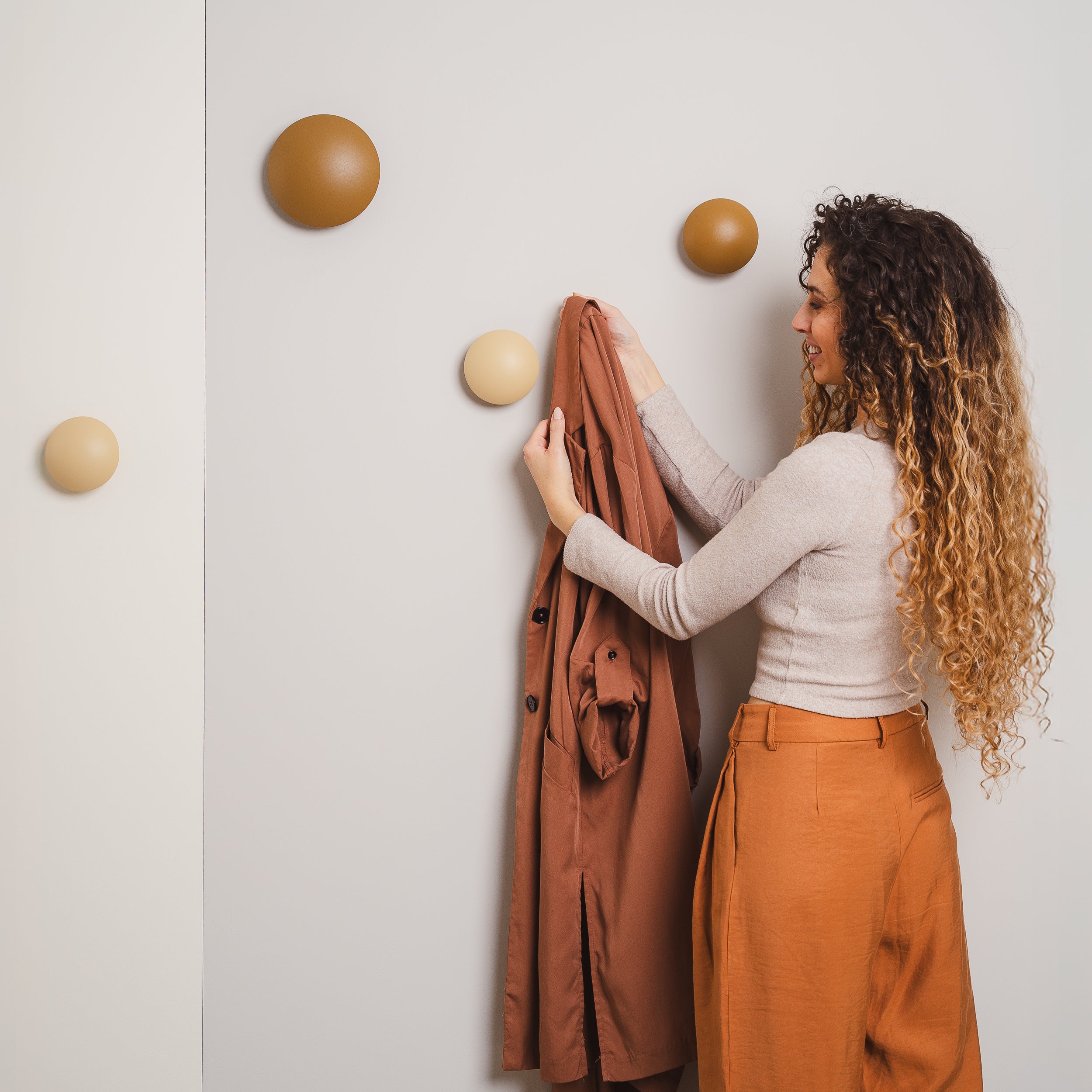
Light tones for large furnishings : choose sofas, bookcases , TV stands , beds, and wardrobes in colors like vanilla, shell white, antique pink, baby blue, and beige.
-
Glossy/reflective surfaces : Furniture with a glossy finish, metallic details, glass, or built-in mirrors. They help increase the amount of light in the room.

Shape and structure
-
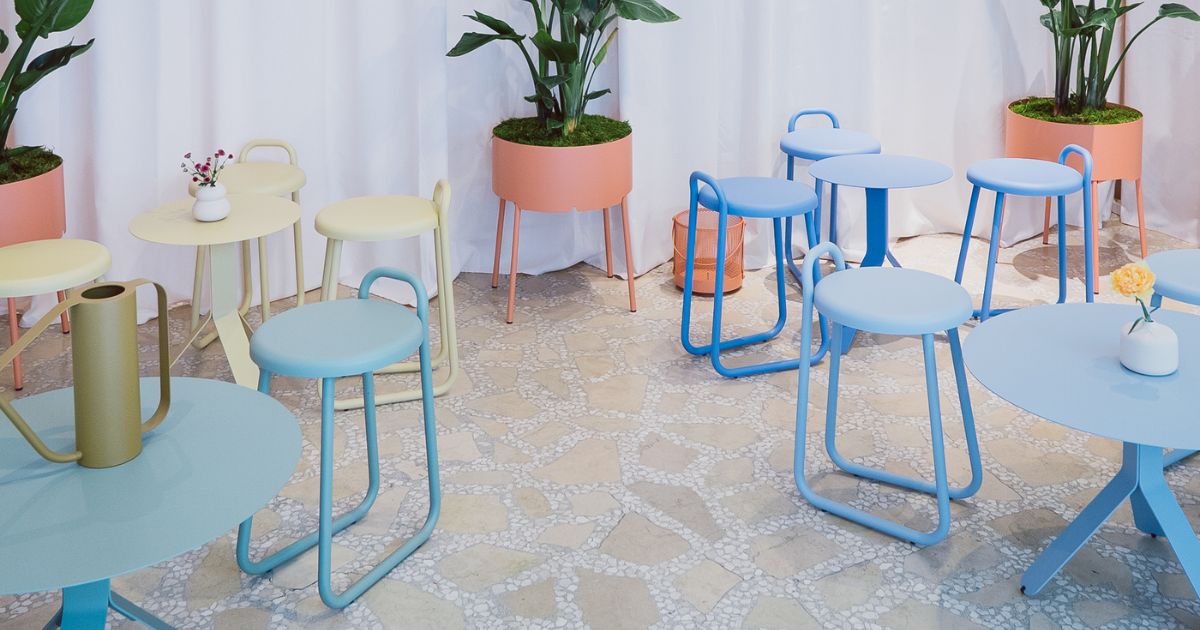
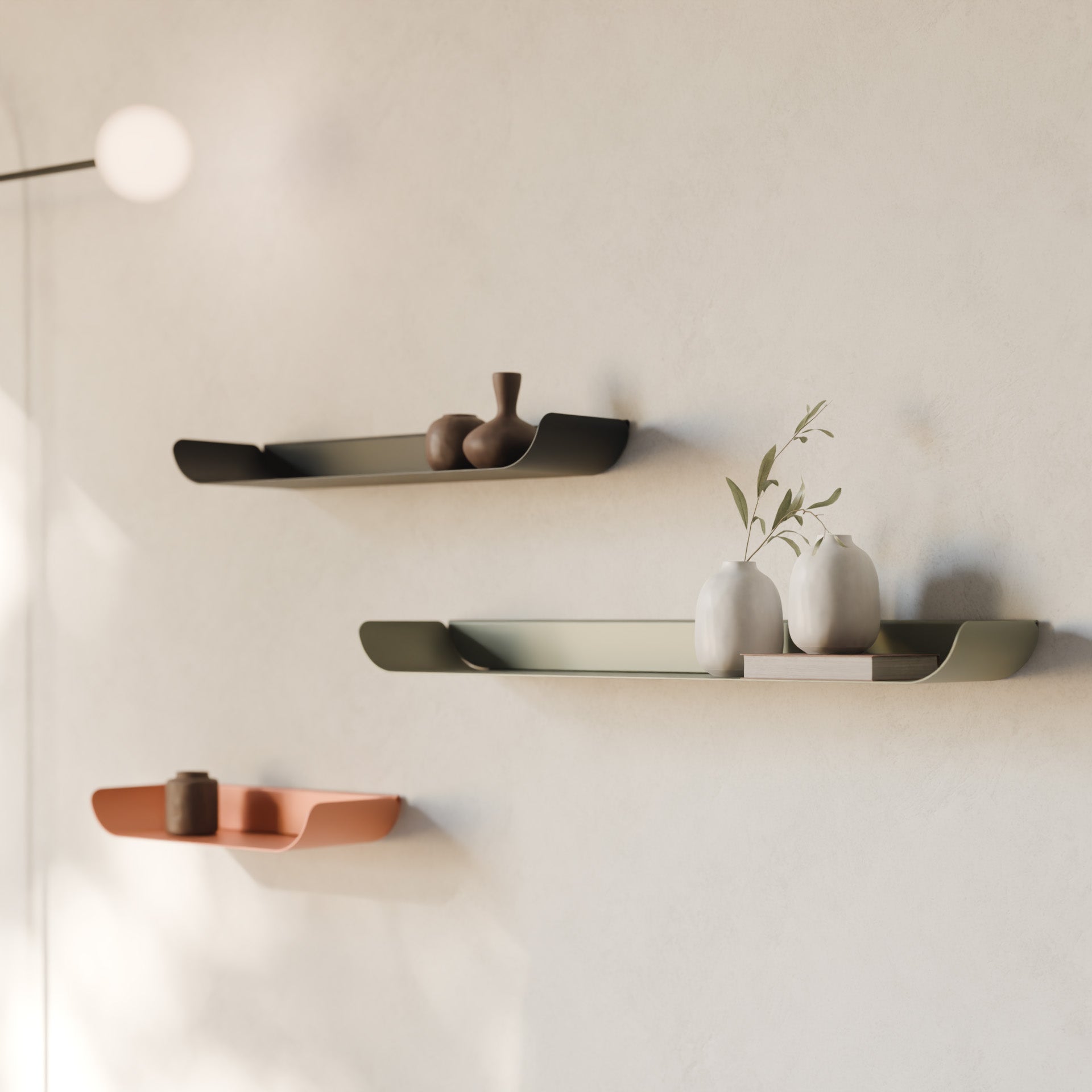
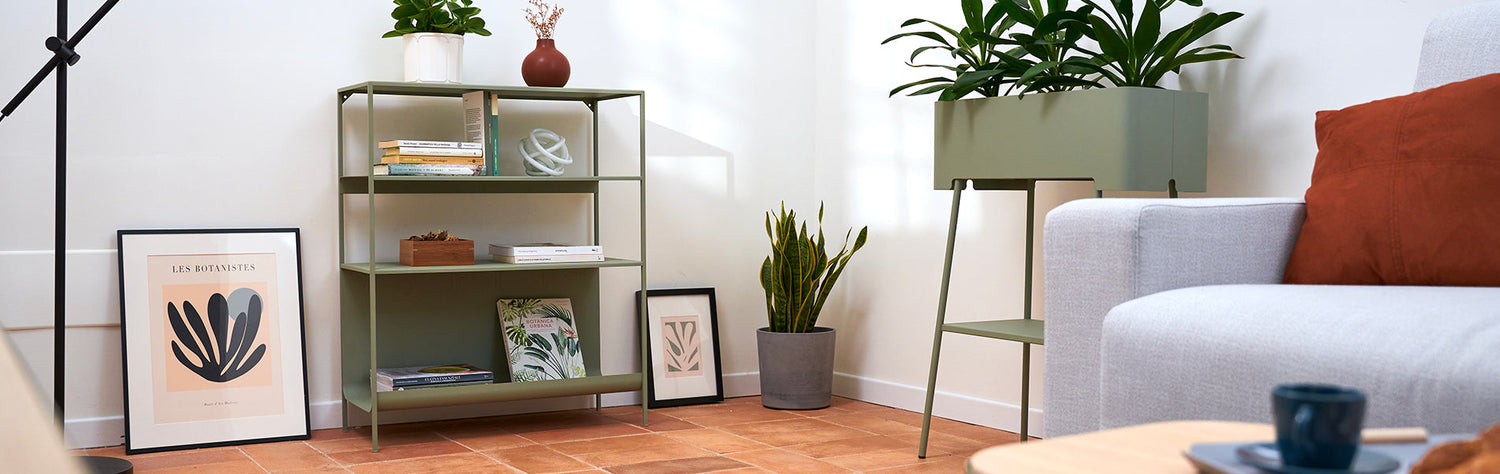
Furniture with legs or suspended : It's better to opt for furniture raised off the floor rather than furniture with solid bases directly touching the floor. The space beneath the furniture allows light to spread downwards and reduces shadows.
-
Furniture with an open or transparent structure : furniture with open parts (open shelves, coffee tables with light openings, tall planters on feet) or transparent parts that let light through.
-
Proper proportion : Don't overcrowd. Overly large or excessive furniture makes the room feel heavy and dark. Choose pieces that are proportionate to the room's dimensions.
Contrasts and accents
-
Light contrast : even if the main furniture is light, some dark elements can add depth, but they must be used sparingly (e.g. an armchair or a small shelf).
-
Light or removable fabrics : light-colored slipcovers, cushions, and ottomans. If the floor or most of the furniture is dark, choosing upholstery in light-colored fabrics helps.

Materials & textures
The combination of matte, glossy, and reflective surfaces is a winning one, preventing everything from appearing flat or monotonous. A glossy piece of furniture surrounded by matte fabrics or wood helps balance the overall look.
Furniture placement
Don't obstruct light sources : Avoid placing large furniture in front of windows or primary light sources. Furniture should allow for the passage of light.
Speaking of things not to do, here are a series of mistakes to avoid.
Mistakes to avoid when furnishing a dark room
Light is built, step by step, by choosing colors, materials, and surfaces that bring it to life within the space.
Even a dark room can change its look if the furnishings and palette interact with the light, instead of rejecting it.